
More efficiency means fewer panels, less roof space, and bigger savings. Instead of covering your whole roof, modern panels are built to do more with less. This results in a cleaner look and a faster return on investment.
In this blog, let’s explore ways of optimizing solar panels for maximum efficiency!
Understanding Solar Panel Efficiency
Solar panel efficiency shows how well a panel turns sunlight into power. It’s not about the total power made. It’s about how well the panel uses its space. For instance, a panel that is 20% efficient will turn 20% of sunlight into electricity. This is an important measure. A more efficient panel can make the same power in less space.
A panel’s efficiency is measured in a controlled environment. These are called Standard Test Conditions (STC). This includes a specific light and a panel temperature of 25°C (77°F). This testing lets you compare different panels fairly.
The average efficiency of solar panels has gotten much better. Older panels were often about 15% efficient. Today, most home panels are between 20% and 22% efficient. Some top-tier panels can even reach 24-25%. New technologies are being made to increase that number even more.
Lab tests show the best efficiency. But real-world factors can lower it. Shade from trees or buildings can cause a big drop. The way your panels face and their angle also matter. They work best when they face the sun directly. Other things like dust, dirt, and high temperatures can also reduce efficiency.
Read more: How Many Solar Panels Do I Need for My Home?
Key Factors Affecting Solar Panel Performance
A solar panel’s performance depends on more than its efficiency. Many other factors like type of panel and your location play a huge role.
Panel Type & Technology
The type of panel you have makes a big difference. There are three main kinds:
- Monocrystalline: These are the most efficient. They are made from a single crystal and cost more. But they need less space to make the same power. This makes them best for small roofs.
- Polycrystalline: These are made from many crystals. They are less efficient than monocrystalline panels but are more affordable. They are a good choice if you have a lot of roof space.
- Thin-Film: These are the least efficient panels. But they are very flexible and light. They are not often used in homes. But they are good for special uses.
Orientation & Tilt
Your panels must be placed in the correct direction to get the most sun. In the Northern Hemisphere, they should face south. This helps them get the most sun all day. The angle, or tilt, should be close to your home’s latitude. This helps them get the most sunlight all year. An expert installer will know the best angle for your home.
Location & Climate
Where you live matters. Many people think panels work best in very hot places. That’s not right. Panels can lose some efficiency when they get too hot. They actually work better in cool, sunny weather. Places with more sunny days will also make more energy as compared to places with constant clouds.
Shading & Obstructions
Even a little bit of shade can cause a big drop in power. A single tree branch or a chimney can cast a shadow. If it covers just one part of a panel, it can lower its power a lot. Dust, dirt, and bird droppings also block sunlight. Keeping your panels clean is an easy way to help them work their best.
Inverter Quality
The inverter is a very important part. It changes the DC power from your panels into AC power that your home uses. A low-quality inverter will waste some of the power. This happens even before it reaches your home. Choosing a high-quality inverter means more of your panels’ energy gets used.
Latest Innovations for Optimizing Solar Panels in 2025
2025 has brought new technologies to make solar power more efficient. They either affect the panels themselves or the systems that manage the power.
High-Efficiency Panels
Bifacial solar panels can get sunlight from both the front and back side. This helps them make more energy. This is especially true in places with a lot of reflective surfaces. Examples are snow or sand. Other new technologies like PERC and heterojunction cells reduce energy loss inside the panels. This lets them turn more sunlight into power.
AI & IoT Monitoring
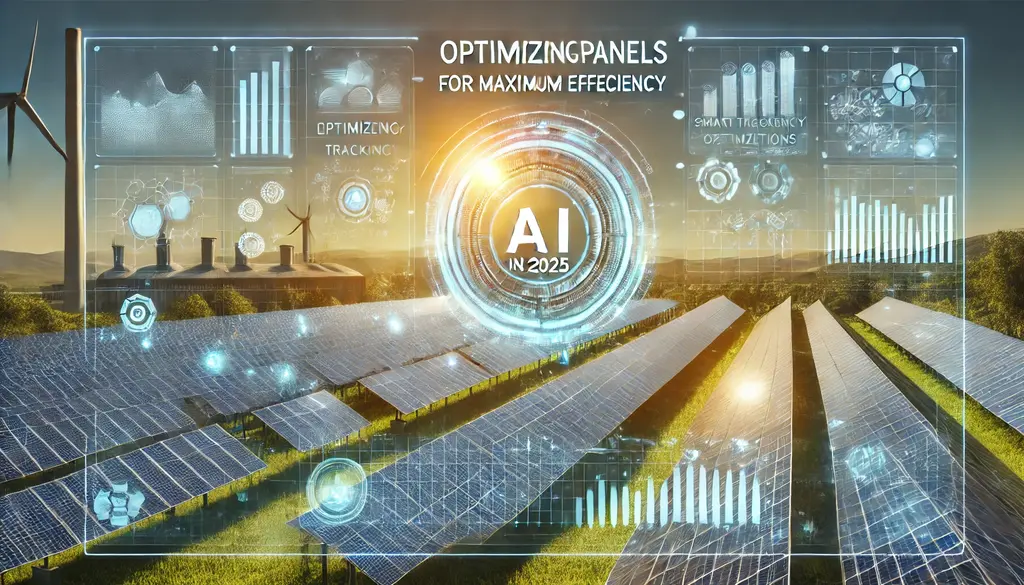
Modern solar systems are smarter because they use AI and the Internet of Things (IoT). They check panels in real-time. This technology can instantly find problems like shade or dirt and then tell the homeowner. These smart systems check the performance of the panels round the clock and make sure you get the most power from the sun.
Smart Inverters and Battery Storage
An inverter is no longer just a converter. Smart inverters can communicate with the power grid and your home’s battery storage system. This helps them manage power flow better. They can decide when to use power from the panels and when to store it in a battery. They can even decide when to sell extra power back to the grid. This makes your solar system a more powerful part of your home’s energy management.
Transparent Solar & BIPV
Transparent solar panels and BIPV put solar cells directly into building materials. These materials include windows, walls, and roofs. It lets buildings make their own power. They do not need large, bulky panels. This opens up new options for city and modern buildings.
Best Practices for Homeowners & Businesses
How you manage solar panels decides how they perform. A little care can make a big difference for homes and businesses.
Regular Cleaning & Maintenance
Solar panels are strong. But they need care. Dirt, dust, and snow can build up on them. This blocks sunlight and lowers power output. Cleaning them a few times a year with a hose helps a lot. If you live in a dusty area, clean them more often.
Using Solar Trackers
Solar trackers are a good option for businesses. A tracker is a device that moves your panels. It follows the sun all day. This makes sure your panels are at the best angle. They are more expensive. But they can increase power output by 25% or more.
Energy Audits & Monitoring Tools
Many modern solar systems come with software that let you watch your energy production. Checking this data is important. A sudden drop in power on a sunny day might mean a problem. Businesses can also get energy audits to see how they use power.
Proper Installation by Certified Professionals
A good installation is very important. A certified installer will place panels correctly and do the wiring right. This helps stop “energy leaks.” A good installation prevents major problems later on.
Pairing with Energy Storage Systems
To get the most from your solar power, you should add a battery. A home battery stores extra power. You can use this power at night or during a power outage. This helps you use more of the energy you make.
Cost vs. Efficiency: Finding the Balance
When you choose solar panels, you may wonder if efficient ones are worth the cost. The answer is not always simple. It depends on your roof space and your budget.
High-Efficiency vs. Standard Panels
High-efficiency panels cost more. They can make the same power with fewer panels. This helps if your roof is small. Standard panels cost less. If your roof is large, you can install more panels. This can make up for lower efficiency. The key is to choose what fits your space.
ROI and Payback Period in 2025
The payback period is the time when savings equal the cost of the system. Most home systems pay for themselves in 7 to 10 years. The payback can be faster in areas with high electricity prices. It can also be faster with tax credits or other government support.
How Net Metering Impacts Financial Returns
Net metering is a billing system. It gives you credit for extra power you send to the grid. The grid works like a big battery. When panels make more power than you need, the extra goes to the grid. You get a credit for this power. You can use the credit at night or on cloudy days. This lowers your costs. It also shortens the payback period. But net metering rules can change. You should always check your local policy.
FAQs about Optimizing Solar Panels for Maximum Efficiency
What does solar panel efficiency mean?
It shows how well a panel changes sunlight into power. It is not about total power. It is about power made with respect to panel size. A 20% panel turns 20% of sunlight into electricity.
What factors affect solar panel performance the most?
The type of panel and the placement matters a lot. Shade and dirt lower power. The roof angle matters too. Cool, sunny weather is best whereas very hot weather reduces power.
What new solar technologies are available in 2025?
Panels are now smarter, for example, bifacial panels use both sides to collect sunlight and convert it into electricity. PERC panels waste less energy. AI and IoT check panels in real time. Smart inverters manage energy and storage. Transparent panels turn windows into power generation systems.
How can homeowners and businesses get the most from solar panels?
Regular cleaning keeps panels clear. A correct installation makes them work better. High-quality inverters stop energy waste. Solar trackers can increase output. Monitoring tools help find problems quickly.
Are high-efficiency solar panels worth the extra cost?
They cost more and need less space. They are good for small roofs. Standard panels cost less. They fit well on big roofs. Credits and tax help reduce costs.


