
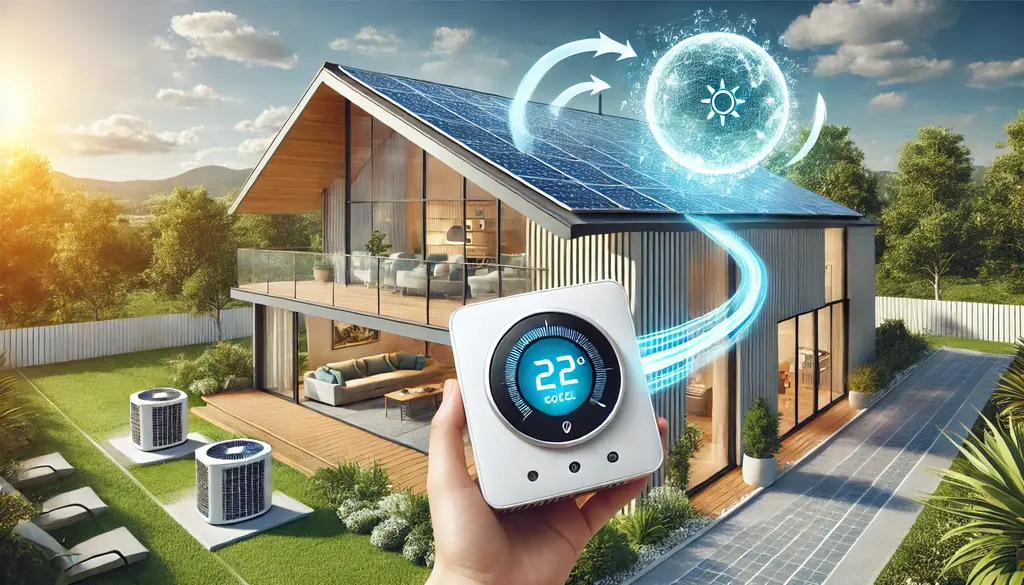
Summer arrives each year, bringing sunshine and warmth. It also brings the inevitable surge in electricity bills as air conditioners work overtime. Many homeowners face the dilemma of maintaining comfort without breaking the budget. Imagine enjoying a cool home even during the hottest days, powered significantly by clean, renewable energy from the sun. Utilizing solar power for home cooling is no longer futuristic; it is a practical and increasingly popular solution.
Harnessing solar energy for home cooling offers a pathway to reduced energy costs and a smaller environmental footprint. This guide explores how solar power can effectively operate home cooling systems, outlines key considerations, and highlights the significant benefits. Understanding these options empowers homeowners to make informed decisions about sustainable comfort. 
How Solar Power Cools Your Home
The foundation of solar cooling lies in photovoltaic (PV) solar panels. These panels, typically installed on rooftops, capture sunlight. They convert this solar radiation directly into direct current (DC) electricity.
Most homes and appliances, including standard air conditioning units, run on alternating current (AC) electricity. Therefore, an essential component of a home solar system is an inverter. The inverter converts the DC electricity generated by the solar panels into usable AC electricity.
This AC power then flows through the home’s electrical panel. It can power any appliance connected to the circuits, including lights, refrigerators, computers, and, crucially, air conditioning systems. During sunny periods, the solar panels can generate enough electricity to cover a significant portion, or even all, of an air conditioner’s energy demand.
Powering Conventional Air Conditioners with Solar Panels
The most common approach to home cooling with solar energy involves using a standard grid-tied solar panel system to offset the electricity consumption of existing or new conventional air conditioners. This method does not require specialized solar AC units.
- How It Works: The solar panels generate electricity during the day. This electricity helps power the home, including the AC unit, when it is running. If the panels produce more power than the home is using at that moment, the excess electricity is often sent back to the utility grid. Many utility companies offer net metering programs, which provide credits for excess generation, offsetting the cost of electricity drawn from the grid at other times, such as at night or on cloudy days.
- Compatibility: This approach works with various standard AC types:
- Central Air Conditioning: Whole-house systems that use ducts to distribute cool air.
- Ductless Mini-Splits: Systems with an outdoor unit and one or more indoor units, ideal for zoning or homes without ductwork.
- Window Units: Self-contained units cooling a single room.
- System Sizing is Key: The effectiveness of this method depends heavily on the size of the solar panel system. An appropriately sized system can generate enough electricity over the year to cover a large percentage of the home’s total energy use, including the significant load from air conditioning during warmer months. Determining the right size involves analyzing past electricity bills, especially those from summer usage, and considering the energy rating (SEER – Seasonal Energy Efficiency Ratio) of the air conditioner. Higher SEER ratings mean greater efficiency and less power draw.
Exploring Dedicated Solar Air Conditioning Systems
Beyond powering conventional units, specialized solar air conditioning systems are available. These are designed specifically to integrate directly with solar power.
- Solar Hybrid Air Conditioners: These innovative systems cleverly blend solar power and grid electricity. They prioritize using the DC power generated directly from dedicated solar panels. When solar power is abundant, the AC unit runs primarily or entirely on it. If solar generation decreases (due to clouds or nighttime) or if cooling demand exceeds solar output, the system automatically supplements with AC power from the utility grid. This ensures uninterrupted cooling while maximizing the use of solar energy. These systems often require a specific number of dedicated solar panels connected directly to the outdoor AC unit, separate from any larger whole-home solar array.
- DC Solar Air Conditioners: These systems are designed to run entirely on DC electricity. They connect directly to solar panels and often incorporate battery storage. This allows them to operate using only solar power, potentially even off-grid. Because they bypass the DC-to-AC inversion step for AC operation (drawing DC directly), they can be highly efficient. However, they typically require a dedicated set of solar panels and a battery bank, making the initial setup more complex and costly. Their application is often suited for off-grid homes or specific situations where grid independence for cooling is paramount.
- Solar Thermal Cooling (Absorption Chillers): While less common for standard residential applications compared to PV-powered systems, solar thermal technology can also provide cooling. Solar thermal collectors heat a fluid using sunlight. This heat energy then powers an absorption chiller, which works on principles similar to how a gas refrigerator operates, creating a cooling effect. These systems are generally more complex and expensive than PV-based solutions for typical homes.
Complementary Solar Cooling Strategies: Enhancing Efficiency
Active solar-powered air conditioning can be complemented by other solar-related strategies that reduce the overall cooling load on the home.
- Solar Attic Fans: Attics can reach extremely high temperatures during sunny days, radiating heat downwards into the living spaces. This significantly increases the workload on the air conditioning system. A solar attic fan uses a small, dedicated solar panel to power a fan mounted on the roof or gable. This fan actively vents hot air out of the attic space, replacing it with cooler ambient air. By lowering attic temperatures, solar attic fans reduce heat transfer into the home, allowing the main AC system to run less often and consume less energy. They operate automatically whenever the sun is shining, requiring no electricity from the grid.
- Reducing Solar Heat Gain: While not directly using solar power, managing solar heat is crucial. Strategies include:
- Solar Screens/Window Films: Applying specialized films or installing external screens on windows (especially those facing south and west) can block a significant amount of solar heat radiation from entering the home, thereby reducing the need for active cooling.
- Strategic Landscaping: Planting deciduous trees on the south and west sides of a house provides shade during summer, reducing direct sun exposure on walls and windows.
Key Considerations Before Implementing Solar Cooling
Transitioning to solar-powered cooling involves key factors that homeowners should consider.
- Calculating Energy Needs (System Sizing): This is the most critical step. Accurately determining how much energy the air conditioner consumes is essential for sizing the solar panel system (or the dedicated panels for hybrid/DC units). Reviewing past electricity bills, noting kilowatt-hour (kWh) usage during peak cooling months, provides a baseline. The AC unit’s power rating (in Watts or Amps) and its SEER rating are also crucial inputs. Online solar calculators can provide estimates, but a professional consultation with a reputable solar installer is highly recommended for precise calculations tailored to a specific home’s climate, usage patterns, and other factors. Overestimating needs leads to unnecessary costs, while underestimating results in insufficient power generation.
- Roof Assessment: The home’s roof requires adequate space, structural integrity, and optimal orientation (ideally south-facing in the Northern Hemisphere), with minimal shading from trees or adjacent buildings, to maximize sunlight capture for the solar panels. A solar installer will conduct a thorough site assessment.
- Upfront Investment vs. Long-Term Savings: Solar panel systems represent a significant upfront investment. Costs vary based on system size, equipment quality, installation complexity, and location. However, this investment yields long-term savings through drastically reduced or eliminated electricity bills. Calculating the potential payback period – the time it takes for energy savings to recoup the initial cost – is essential. Consider potential increases in home value as well.
- Incentives, Rebates, and Net Metering: Various financial incentives can substantially lower the net cost of going solar.
- Federal Solar Tax Credit (ITC): Allows homeowners to deduct a percentage of the solar system cost from their federal taxes. Verify the current percentage and expiration details, as these may change.
- State and Local Programs: Many states, municipalities, and even utility companies offer additional rebates, tax credits, or grants for solar installations.
- Net Metering: Understanding the local utility’s net metering policy is vital for grid-tied systems. Policies dictate the compensation rate for excess solar energy sent to the grid.
- Thorough research into available incentives specific to the homeowner’s location is crucial.
- Battery Storage: Adding a solar battery system allows storing excess solar energy generated during the day for use at night or during power outages. For cooling, this means running the AC after sunset using stored solar power instead of grid electricity. Batteries increase energy independence but also add significantly to the system’s cost and complexity. Evaluating the need for backup power and nighttime solar usage versus the added expense is important.
- Choosing a Qualified Installer: Selecting an experienced, certified, and reputable solar installer is critical for a successful project. Obtain multiple quotes, check reviews and references, verify licenses and insurance, and ensure they offer robust warranties on both equipment and workmanship. A good installer provides accurate system design, quality installation, and handles necessary permits and inspections.
The Tangible Benefits of Solar-Powered Home Cooling
Adopting solar energy for cooling offers compelling advantages that extend beyond mere comfort.
- Significant Reduction in Electricity Bills: Air conditioning is often one of the largest contributors to high summer electricity bills. Powering it with free energy from the sun leads to substantial monthly savings and predictable energy costs over the long term.
- Environmental Responsibility: Solar energy is a clean and renewable source. Using it for cooling reduces reliance on fossil fuel-generated electricity, lowering the home’s carbon footprint and contributing to a healthier environment.
- Increased Home Value: Homes equipped with solar panel systems are increasingly attractive to buyers. Studies often show that solar installations can increase property value.
- Energy Independence and Resilience: When paired with battery storage, solar power offers a degree of independence from the utility grid and fluctuating energy prices. It offers resilience during power outages, potentially keeping cooling systems operational when the grid is down.
- Hedge Against Rising Energy Costs: Utility electricity rates tend to increase over time. Generating one’s power with solar locks in energy costs for the lifespan of the system (typically 25+ years), providing financial stability.
Embracing a Cooler, Greener Future
Cooling a home with solar power is an effective strategy for achieving comfort, reducing expenses, and promoting sustainability. Whether utilizing a standard grid-tied solar system to offset conventional AC usage or opting for specialized hybrid or DC solar air conditioners, homeowners have viable options. By carefully considering energy needs, system types, costs, incentives, and choosing qualified professionals, making the switch to solar cooling becomes a smart investment. It paves the way for comfortable summers powered by the sun, ensuring a cooler home and a brighter, cleaner energy future.
Stay tuned with HomesHelp for more content like this!
Frequently Asked Questions (FAQs)
- Can solar panels power my existing air conditioner? Yes, absolutely. The most common way to use solar for cooling is to install a standard grid-tied solar panel system. This system generates electricity that offsets your home’s total energy consumption, including the power drawn by your existing central AC, mini-split, or window unit. The AC itself doesn’t need modification; it simply draws power from your home’s electrical system, which is being supplied in part or whole by solar energy during sunny periods.
- How many solar panels are needed to run an air conditioner? The number of panels depends heavily on several factors: the AC unit’s energy consumption (size, efficiency rating/SEER), the frequency and duration of operation, the amount of sunlight your location receives, and the wattage of the solar panels chosen. A small window unit requires just a few panels dedicated to offsetting its use, while powering a large central AC system as part of whole-home energy coverage requires 15-25 panels or more. A professional solar assessment is needed for an accurate calculation based on your specific circumstances.
- Is battery storage necessary for solar air conditioning? Battery storage is not strictly necessary, especially if you have access to a reliable net metering system. A grid-tied system without batteries can significantly reduce cooling costs by using solar power during the day and drawing from the grid (offset by solar credits) at night. However, batteries are required if you want to run your AC on solar power after sunset, desire backup power during grid outages, or aim for greater energy independence. Dedicated DC solar AC units often rely on batteries.
- What’s the difference between a regular AC powered by solar panels and a “Solar AC”? A regular AC powered by solar panels refers to a standard air conditioner running on electricity supplied by a whole-home solar PV system connected to the grid. A dedicated “Solar AC” typically refers to a hybrid or DC system. Hybrid systems directly use DC power from dedicated panels when available and supplement with grid AC power. DC systems run exclusively on DC power, often requiring dedicated panels and batteries, and can operate off the grid.
- What is the approximate cost and payback period for solar cooling? Costs vary widely based on system size, location, equipment choice, incentives, and whether batteries are included. A whole-home solar system can range from $15,000 to $ 30,000 or more before incentives. Dedicated solar AC units have their costs, plus potentially dedicated panels and batteries. The payback period, where energy savings equal the initial cost, typically ranges from 7 to 15 years, heavily influenced by local electricity rates and available incentives. After the payback period, the solar energy generated is free of charge.


